A great fire pit anchors a Piedmont yard. It extends the season, includes a centerpiece, and brings individuals outside on mild February afternoons as quickly as crisp November nights. In Greensboro, where winter season generally implies sweater weather and not snow drifts, a well‑planned fire function turns into one of the most secondhand parts of a landscape. The trick is choosing a design and fuel that suit our clay soils, tree canopies, and regional codes, then constructing it to last through the humidity and the periodic thunderstorm.
What the Greensboro climate asks of your fire pit
Greensboro sits in USDA Zone 7b to 8a with hot, damp summers and cool, frequently damp winters. Afternoon thunderstorms can roll through from April to September, often dropping an inch of rain in less than an hour. The dominant soil is red clay, which swells when wet and shrinks as it dries. That motion can damage inadequately founded hardscapes, including fire pits, by opening joints and racking masonry over a season or two.
Design with those realities in mind. A fire pit here needs a stable base that sits tight through wet‑dry cycles, products that shrug off wetness, and a layout that handles stimulates under fully grown oaks and pines. Prepare for ventilation as well, because humid air can smother a weak draft. In my experience, a fire pit that starts quickly, vents correctly, and drains totally gets utilized two times as frequently as the one that smokes and holds water like a birdbath.
Choosing the ideal type: wood, gas, and the hybrids in between
Most Greensboro house owners begin the decision at fuel type. Each has a place, and the very best fit depends upon how you entertain, where you sit, and what your area allows.
Wood burning fire pits deliver romance and radiant heat. You get popping logs, a true coal bed, and temperature levels that make a cold night comfortable without blankets. They also make smoke. On a still, damp night in Fisher Park, that smoke can hang at face level and annoy neighbors. If you go this path, position the pit where dominating winds from the southwest carry smoke away from windows and porches, and consider a smokeless design that improves airflow and secondary combustion.
Natural gas and lp provide convenience and consistency. Press a button, and you have flame, no splitting logs or sweeping ashes. Gas works well near your house, on patio areas where a stray ember would be an issue, and in tight yards along Lindley Park or Sundown Hills where setbacks restrict wood. Flame height is simple to control, and an effectively tuned burner throws steady heat. The trade‑offs are in advance expense, energy coordination for gas lines, and less glowing warmth compared to a roaring wood fire.
There are hybrids that attempt to split the difference. Some property owners set up a gas starter inside a masonry wood pit to make ignition simple, then burn experienced oak on top. Others utilize drop‑in log sets with higher‑output burners to chase more heat from gas. Both work, but they add complexity that needs to be handled by a certified installer. If you desire the simpleness of gas with occasional wood, plan for that at the style phase instead of improvising later.
Local codes, security, and neighborly sense
Greensboro and Guilford County allow outdoor fire pits with common‑sense constraints. You can not burn lawn waste, building and construction materials, or anything that smokes like a bonfire; keep fires included and gone to at all times. Within city limits, obstacles from structures and residential or commercial property lines typically use, and multifamily communities frequently restrict wood fires entirely. If you live under an HOA, checked out the covenants before you fall in love with a style. They frequently spell out appropriate fuels, heights for irreversible structures, and whether you can run a gas line through shared easements.
Utility place is non‑negotiable. Call 811 before you dig. I have actually seen irrigation mains, fiber lines, and gas services run within 12 inches of proposed fire pit centers in Greensboro yards. A fast energy mark saves pricey repairs and awful phone calls.
For wood fire pits under tree canopies, keep vertical clearance in mind. Stimulates can reach 10 to 15 feet on a robust fire, and dry pine straw in late October needs little motivation. If you enjoy the concept of a pit under a loblolly pine, purchase a full‑coverage stimulate screen and preserve a clean, mineral mulch ring around the seating area. Keep a tube or a container of water neighboring and stash a metal ash can with a tight cover by the garage.
The siting choice: microclimate, grade, and flow
A fire pit is only as excellent as where you put it. In Greensboro areas when cut from farmland, yard grades typically fall away towards the back fence to manage overflow. Those slopes work. An 18‑inch drop over 15 feet gives you a natural increase for a seat wall that faces the fire and a step or 2 that gently descends from the outdoor patio. If your lawn is flat, you can still create a small bowl impact with tactically placed earthwork that shelters from the wind and centers the sound of conversation.
Proximity to your house matters. Too close, and it ends up being an appendage of the indoor living-room. Too far, and nobody wants to bring drinks out on a chilly night. I aim for a 20 to 30 foot range from the back door for wood pits, closer for gas, with a clear, well‑lit path and no tripping risks. Align the pit with a primary view axis out of the kitchen or living room, so the function checks out as an intentional extension of the home.
Consider the method air crosses your lot. In the evening, cool air drops and flows like water. On lots that slope north to south, that can funnel smoke into a low area near a fence. If you burn wood, find the pit greater on the slope so smoke wanders away, not toward surrounding patio areas. For gas, windbreaks matter more than smoke. A low hedge, a louvered screen, or a well‑placed pergola post can stop an irritating cross breeze that otherwise leans the flame away from seating.
Materials that withstand Piedmont weather
Greensboro's freeze‑thaw cycle is moderate compared to the mountains, however we still see sufficient freezing nights to break low-cost masonry. For a long-term pit, utilize frost‑resistant materials and design for drainage. Concrete block cores with a stone or brick veneer work well when the base is prepared properly. A dry‑stack appearance is popular, however the stones still need an appropriate concrete structure and cap to shed water.
Brick is a natural fit with Greensboro's architecture. Match the bond to your home or purposefully contrast with a lighter, tumbled clay brick to keep the lawn from feeling overbuilt. If you pick brick for a wood pit, line the inner ring with firebrick and high‑temperature mortar. Standard brick will ultimately spall under direct flame.
Natural stone reads perfectly in dappled shade, and the right cut can nod to the Carolina foothills. I like granite or thick fieldstone for the external veneer and firebrick within. Flagstone makes a good-looking coping, however pay attention to thickness and bedding. Thin pieces laid on a skim coat will pop in a year or 2 in our climate.
For burner, stainless steel elements ranked for outside usage are worth the premium. Search for 304 or much better stainless on pans, rings, and fasteners. Inexpensive galvanized hardware rusts rapidly in humid summer seasons. For filler media, lava rock deals with rain and heat cycling better than some glass media, though tempered glass holds color and captures light wonderfully on a covered patio area. If your pit will live under open sky, utilize a snug cover to keep standing water off valves and ignition systems.
The foundation: building on clay without regrets
The most typical failure I see is a pretty ring of stone laid straight on compressed soil. It looks fine the first season, then the ring bulges outward as the clay swells after a storm. Fixing that indicates rebuilding.
Start with excavation. Eliminate topsoil and roots to undisturbed subsoil, usually 8 to 12 inches deep for a small to medium pit. In heavier clay pockets that hold water, go a bit deeper and broaden the footprint. Install a geotextile fabric to separate the base from soil, then add 4 to 6 inches of well‑graded crushed stone, compacted in thin lifts with a plate compactor. On top, put an enhanced concrete pad or set a compacted bed linen layer for pavers that surround the pit. For a masonry pit, kind and pour a circular footing below the frost line, normally 12 inches in our area, with rebar to resist lateral thrust. Guarantee the pad or footing pitches a little away so water can escape.
Drainage inside the pit matters as well. A gravel sump below the fire bowl or a drain line directed to daylight prevents the feared tub effect after summer season storms. On gas pits, follow maker specs for weep holes and keep the burner raised above collected water.
Size, shape, and seating that welcome conversation
Round pits are the crowd‑pleaser since they keep people dealing with each other. Squares and rectangles integrate nicely with contemporary homes and direct patios. The more vital measurement is internal diameter. For comfy wood fires, a within diameter of 30 to 42 inches works outdoors without overwhelming the area. Add 12 to 18 inches for the external wall thickness and coping, and your footprint rapidly climbs up. For gas, the flame field figures out size; a 24‑inch burner checks out well on mid‑sized patio areas, while a 36‑inch linear burner plays well along a seat wall.
.jpg)
Seat height and distance make or break convenience. Many people sit happily with their shins 18 to 24 inches from the fire wall. Built‑in seat walls at 18 to 20 inches high with a 12 to 16 inch deep cap let guests perch with a beverage or slide forward to warm hands. If you choose movable chairs, leave generous area for blood circulation. On tight city lots, I often develop a low curved wall that doubles as a backstop for furnishings and a retaining aspect for grade transitions.
Wood storage that doesn't ruin the view
If you burn wood, prepare for storage that keeps logs off the ground and out of relentless rain. Greensboro's humidity molds a stack quickly when air flow is bad. I like to integrate a raised steel cradle tucked under an eave or inside a small lean‑to at the back of a garage. For stand‑alone solutions, a metal rack with a basic shed roofing inconspicuously sited along a side fence keeps the visual clean. Avoid piling wood versus your home; termites and carpenter ants value the shortcut.
Seasoned hardwood makes a distinction. Split oak or hickory dried 6 to 12 months burns hot and tidy, which next-door neighbors will value. Pine kindling is fine for beginning, but full pine rounds crackle and pitch sticky soot in chimneys and on pit walls. A little stash of kiln‑dried packages from a regional supplier can bail you out after a rainy week when your regular stack feels damp.
Smokeless wood designs that in fact work
Double wall, smokeless fire pits went from niche to mainstream due to the fact that they do more in humid air. By pre-heating secondary air and injecting it along the rim, they burn more of the smoke before it gets away. You see the distinction on a muggy July night when a standard pit chugs and sends out smoke crawling. If you're building a permanent variation, deal with a fabricator or choose a masonry design with an engineered insert that maintains that air flow. Without it, simply including a taller wall typically makes the smoke issue even worse by trapping and swirling it at head height.
A detail that matters: provide ample low consumption. I frequently cut discrete vents into masonry bases and keep the location underneath a steel insert clear with a gravel bed. If your wood pit chokes when it appears like there is a lot of fire, it most likely needs more oxygen at the base.
Gas lines, regulators, and Greensboro inspectors
Running natural gas throughout a lawn is uncomplicated when planned early. Trenching for an outdoor patio or a brand-new irrigation main? Include the gas line at the same time and conserve labor. In Greensboro, gas work must be permitted and carried out by a licensed installer. A common run utilizes polyethylene gas pipe buried 12 to 18 inches deep with tracer wire, pressure checked before backfill. At the pit, include a shutoff valve with an essential within reach and a secondary valve near the house. Regulators sized to your burner prevent an anemic flame, which is a common grievance when somebody taps a line without computing demand.
If gas makes more sense, conceal the tank where service gain access to is easy and ventilation is guaranteed. For smaller setups under 125 gallons, side lawn placement often works, however screen it with a planted hedge or a louvered enclosure that satisfies clearance requirements. On portable lp fire tables, run a brief, protected pipe and use a metal tank cover that functions as a side table. Low-cost vinyl covers bake and split in the summertime sun.
Integrating the fire pit with wider landscaping
A fire pit is one piece of a yard system. The very best ones look unavoidable, as if the garden grew around them. That implies tying hardscape materials and plantings together so the feature comes from the entire landscape, not just the patio.
Paths should show up gracefully, not in dead straight lines. Squashed granite with steel edging keeps a low profile and drains pipes well on clay. If you choose pavers, pick a complementary tone rather than a specific match to your house. A minor color shift reads deliberate. Lighting belongs underfoot and at knee height. I tuck low, protected lights under seat wall caps and use a couple of bollards along the technique course. Avoid glaring overhead components; they kill the state of mind and attract every moth in Guilford County.
Plantings around a fire location ought to deal with heat, periodic ash, and foot traffic. On the sunny side, I lean on difficult perennials like rosemary, coneflower, and little bluestem, blended with low shrubs such as dwarf yaupon holly that tolerate pruning if they creep into the seating zone. In part shade, southern shield fern and hellebores keep texture through winter season. Keep combustibles back from the wall, and prevent resinous shrubs like juniper right next to a wood pit. Mulch with gravel or a mineral mulch within 3 to 4 feet of the fire wall for a tidy, safe edge.
When customers inquire about curb appeal, I advise them that a backyard fire pit does more than captivate. Thoughtful landscaping raises everyday use. In the Greensboro market, where buyers worth practical outdoor rooms, a well‑executed fire function integrated with practical planting typically assists a home stand out. It is not simply stone in a circle, it is a space without walls.
Covered decks, chimneys, and when a fireplace beats a pit
Not every lawn wants a pit. If you enjoy the concept of fall football under a roof, a low outdoor fireplace on a covered patio might fit much better. Fireplaces direct smoke up and away, which fixes the damp air stagnancy issue totally. They also develop a strong architectural anchor for television placement and built‑in storage. The trade‑offs consist of greater cost, a set orientation, and stricter code requirements. Gas fireplaces under roofings prevail in Greensboro's newer builds, while wood fireplaces need careful flue design to draw well without pulling smoke back into the porch. If your patio ceiling is low, a direct‑vent gas system typically makes more sense.
Budget ranges that reflect real builds
Costs vary commonly based on products and website conditions, however Greensboro property owners can use these broad ranges for preparation. A simple steel wood pit with a gravel seating ring frequently lands in the low 4 figures, specifically if the website is flat and accessible. A masonry wood pit with a paver patio area, seat wall, and lighting typically falls in the mid to upper 4 figures, in some cases more if retaining work is required. Gas installations with a new line, quality burner, stone veneer, and incorporated seating usually climb into the five figures, particularly if you add a customized capstone and controls. Intricate projects that reconstruct terraces, include walls, and include pergolas move higher.
What pushes costs up rapidly: long utility stumbles upon mature landscapes, hand excavation to secure roots, demolition of existing hardscape, and custom-made stonework with tight radiuses. What keeps expenses affordable: selecting a modular product line that sets pavers and wall block, limiting size to what you will really use, and staging the project so you get the fire function now and include a pergola or outside kitchen area later.
Maintenance regimens that keep the flame friendly
Wood pits request a little attention and reward it with trouble‑free nights. Scoop ash into a lidded metal can after each use, even if you plan to burn tomorrow. Embers conceal under ash and surprise people days later. Brush soot off stone caps a number of times a season with a stiff nylon brush and mild cleaning agent. If you used a natural stone cap, reseal it yearly to resist oily finger prints and red white wine spills. Inspect spark screens and replace when mesh rusts out.
Gas pits desire dry guts and tidy jets. Keep a snug cover on when not in usage, particularly ahead of summertime storms. Once a season, vacuum media dust out of the burner pan and check weep holes. If you see unequal flame or sputtering, a spider nest or particles may be blocking an orifice. Turn the gas off and call your installer instead of poking around with a wire. It takes 10 minutes for a pro to fix an issue that can burn hours of your weekend and fray nerves.

Furniture and fabrics take a pounding in Greensboro summer seasons. Choose solution‑dyed acrylics for cushions and save them in a deck box when not in usage. Teak and powder‑coated aluminum deal with humidity well. Wrought iron looks right in the house however desires a quick inspection in spring for rust bloom along welds, especially near the pit where heat speeds up wear.
Touches that elevate the experience
A pit can be completely functional and still feel incomplete. Little choices raise the experience. Run one or two switched outlets under the seat wall for a plug‑in speaker or heated throw without extension cords. Add a single hose bib near the seating area so you can douse cinders and water planters without dragging a hose. Etch a subtle compass rose in the capstone that lines up to the sundown you love in late October. Keep marshmallow skewers in a sculpted caddy by the back entrance, and stock a small cage with blankets for shoulder seasons.
If you cook, think about a swing‑away grill grate or a Tuscan grill insert for wood https://writeablog.net/eriatsxyus/outside-lighting-concepts-to-elevate-your-greensboro-nc-landscape pits. It transforms weeknights when you want charred peppers and sausages without shooting up the main grill. A flat, quickly cleaned steel plate works better for breakfast or fragile foods. Design storage for these tools, or they end up raiding your house up until rust wins.
A Greensboro‑specific palette that works
Certain combinations feel right here. Brick with bluestone caps and a pea gravel surround echoes older communities in Irving Park. A dry‑stacked granite veneer with big format concrete pavers fits mid‑century homes with low rooflines. For artisan bungalows, a clay paver patio coupled with a simple round steel insert and a curved seat wall balances old and brand-new. Plant it with oakleaf hydrangea, ajuga to spill between pavers, and a couple of big planters that can swing from ferns in summer to evergreen branches in winter season. In summertime, the space reads lush; in winter season, it still looks intentional.
Working with pros and understanding when to DIY
Plenty of Greensboro property owners build lovely pits themselves. If you are comfy with layout, compaction, and masonry fundamentals, a freestanding wood pit on a gravel ring is within reach over a number of weekends. Where a professional team shines remains in the base work you will never ever see and the way the fire function ties into the rest of your landscaping. Grading to move water far from seating, condensing a base that will not heave, setting curves that look proper from the kitchen window, and pulling the authorizations for gas, these are the information that separate a job you enjoy for a decade from one you remodel after two seasons.
Local crews that concentrate on landscaping in Greensboro, NC likewise understand how clay behaves and how plant schemes tolerate radiant heat and ash. They have relationships with stone backyards for much better product choice and with inspectors for smoother gas line approvals. If you are on the fence, invite 2 or three companies to stroll your yard. A great designer will discuss circulation and shade and the way you really reside on a Tuesday night, not simply on the one Saturday in November when everyone comes over.
A few quick starting points
- Choose fuel based upon how you actually host. If you think of spontaneous weeknight fires, gas most likely wins. If Saturday ritual and s'mores are the draw, wood is hard to beat. Test a momentary layout with lawn chairs and a fire bowl for a week. Walk paths during the night and see where lighting feels required before you set stone. Decide seating initially, then size the pit. People need space to relax more than the fire requires space to sprawl. Budget for base work and drain. Money invested below grade keeps the function looking new above grade. Integrate storage and upkeep from day one. A tidy, ready‑to‑light setup gets used more often.
Greensboro yards are generous by nationwide requirements, and the climate provides you 9 or ten months of usable evenings. A well‑sited fire pit turns that possible into practice. Start with the way you like to gather, appreciate the peculiarities of Piedmont clay and humidity, and develop with products that will still look great after the fifth summer season thunderstorm. Whether it is brick and bluestone echoing an older home or a clean concrete pad with a direct gas burner for a modern-day ranch, the best fire function settles into the landscape and seems like it belongs there, flame or no flame.
Business Name: Ramirez Landscaping & Lighting LLC
Address: Greensboro, NC
Phone: (336) 900-2727
Website: https://www.ramirezlandl.com/
Email: [email protected]
Hours:
Sunday: Closed
Monday: 8:00 AM–5:00 PM
Tuesday: 8:00 AM–5:00 PM
Wednesday: 8:00 AM–5:00 PM
Thursday: 8:00 AM–5:00 PM
Friday: 8:00 AM–5:00 PM
Saturday: 8:00 AM–5:00 PM
Google Maps: https://www.google.com/maps/search/?api=1&query=Google&query_place_id=ChIJ1weFau0bU4gRWAp8MF_OMCQ
Map Embed (iframe):
Social Profiles:
Facebook
Instagram
Major Listings:
Localo Profile
BBB
Angi
HomeAdvisor
BuildZoom
Ramirez Landscaping & Lighting is a Greensboro, North Carolina landscaping company providing design, installation, and ongoing property care for homes and businesses across the Triad.
Ramirez Landscaping & Lighting offers hardscapes like patios, walkways, retaining walls, and outdoor kitchens to create usable outdoor living space in Greensboro NC and nearby communities.
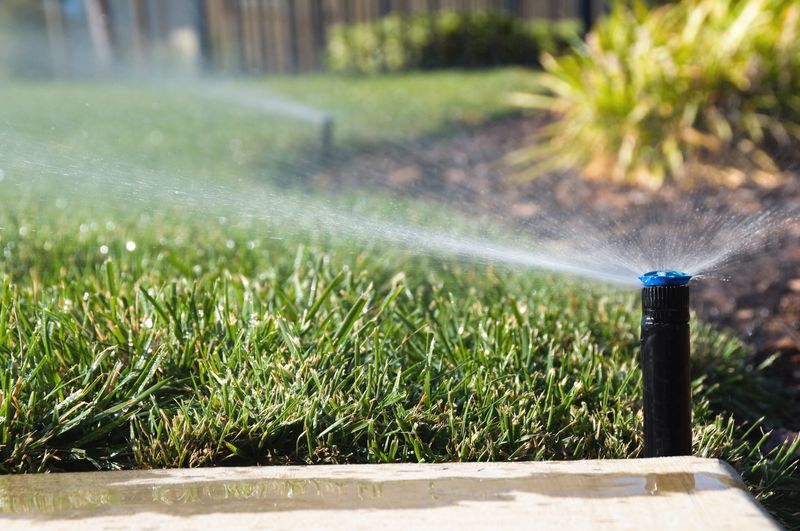
Ramirez Landscaping & Lighting provides irrigation services including sprinkler installation, repairs, and maintenance to support healthier landscapes and improved water efficiency.
Ramirez Landscaping & Lighting specializes in landscape lighting installation and design to improve curb appeal, safety, and nighttime visibility around your property.
Ramirez Landscaping & Lighting serves Greensboro, Oak Ridge, High Point, Brown Summit, Winston Salem, Stokesdale, Summerfield, Jamestown, and Burlington for landscaping projects of many sizes.
Ramirez Landscaping & Lighting can be reached at (336) 900-2727 for estimates and scheduling, and additional details are available via Google Maps.
Ramirez Landscaping & Lighting supports clients with seasonal services like yard cleanups, mulch, sod installation, lawn care, drainage solutions, and artificial turf to keep landscapes looking their best year-round.
Ramirez Landscaping & Lighting is based at 2700 Wildwood Dr, Greensboro, NC 27407-3648 and can be contacted at [email protected] for quotes and questions.
Popular Questions About Ramirez Landscaping & Lighting
What services does Ramirez Landscaping & Lighting provide in Greensboro?
Ramirez Landscaping & Lighting provides landscaping design, installation, and maintenance, plus hardscapes, irrigation services, and landscape lighting for residential and commercial properties in the Greensboro area.
Do you offer free estimates for landscaping projects?
Ramirez Landscaping & Lighting notes that free, no-obligation estimates are available, typically starting with an on-site visit to understand goals, measurements, and scope.
Which Triad areas do you serve besides Greensboro?
Ramirez Landscaping & Lighting serves Greensboro and surrounding Triad communities such as Oak Ridge, High Point, Brown Summit, Winston Salem, Stokesdale, Summerfield, Jamestown, and Burlington.
Can you help with drainage and grading problems in local clay soil?
Yes. Ramirez Landscaping & Lighting highlights solutions that may address common Greensboro-area issues like drainage, compacted soil, and erosion, often pairing grading with landscape and hardscape planning.
Do you install patios, walkways, retaining walls, and other hardscapes?
Ramirez Landscaping & Lighting offers hardscape services that commonly include patios, walkways, retaining walls, steps, and other outdoor living features based on the property’s layout and goals.
Do you handle irrigation installation and repairs?
Ramirez Landscaping & Lighting offers irrigation services that may include sprinkler or drip systems, repairs, and maintenance to help keep landscapes healthier and reduce waste.
What are your business hours?
Ramirez Landscaping & Lighting lists hours as Monday through Saturday from 8:00 AM to 5:00 PM, and closed on Sunday. For holiday or weather-related changes, it’s best to call first.
How do I contact Ramirez Landscaping & Lighting for a quote?
Call (336) 900-2727 or email [email protected]. Website: https://www.ramirezlandl.com/.
Social: Facebook and Instagram.
Ramirez Landscaping & Lighting serves the Greensboro, NC community with professional hardscaping services for homes and businesses.
Searching for landscape services in Greensboro, NC, reach out to Ramirez Landscaping & Lighting near Greensboro Science Center.